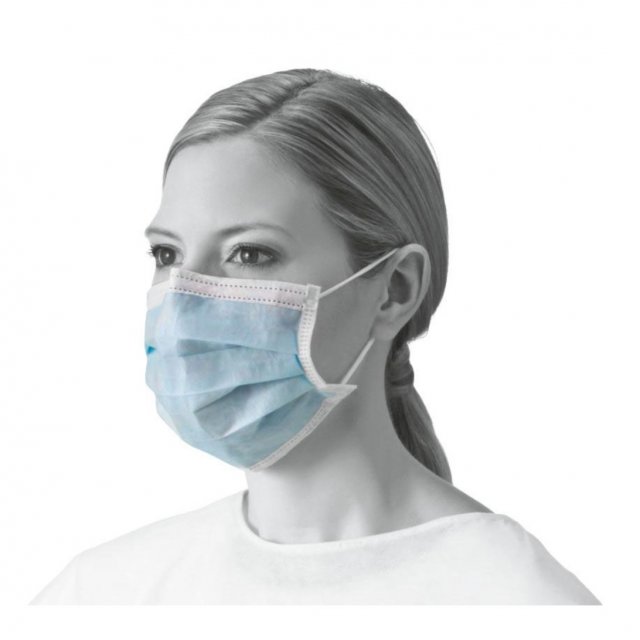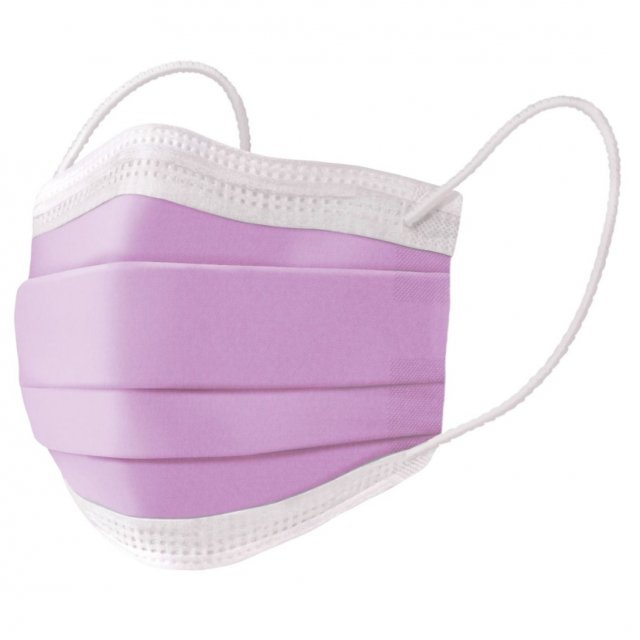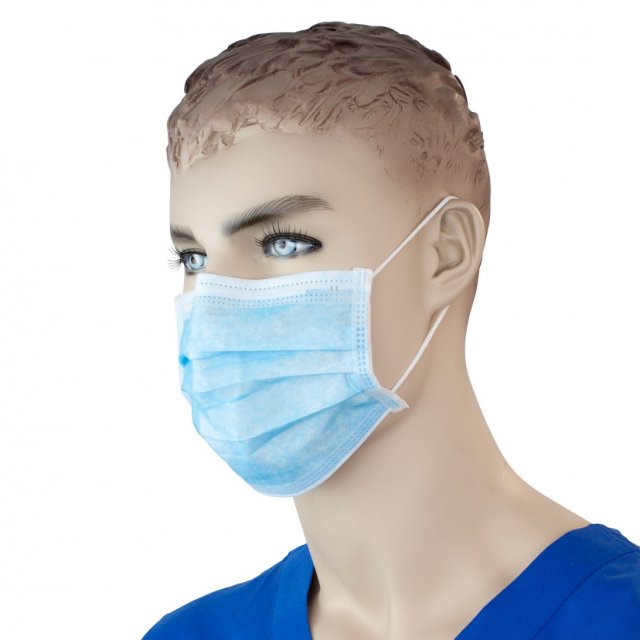
Procedure and surgical masks

Procedure and surgical masks from Halyard and Medline, each listed with the barrier level, filtration figures and fluid resistance its manufacturer states.

Image: Dynarex Corporation

How to compare masks

  1. Barrier level

    the ASTM F2100 level as the manufacturer states it.

  2. Filtration

    BFE and PFE percentages, as stated.

  3. Fluid resistance

    in mmHg, as stated.

  4. Fit and fastening

    ear loops or ties, nose piece, attached eye shield.

  5. Pack-out

    masks per box and boxes per case; compare prices per 1,000 masks.

Masks we carry 5 products

Specifications as the manufacturer states them · pricing for approved accounts

About procedure and surgical masks

FDA regulates surgical masks as medical devices under 21 CFR 878.4040; a general-use face mask is not personal protective equipment. Masks fasten with ear loops or ties, and some carry an attached eye shield; the label, not the product name, tells you what you’re buying.

Where a manufacturer states an ASTM F2100 level, the listing shows it exactly as stated, with the figures behind it: bacterial filtration efficiency (BFE), sub-micron particulate filtration efficiency (PFE), fluid resistance in mmHg, and breathability as differential pressure. Compare those figures, not the mask’s color or name. Which level a task calls for is your facility’s decision.

Each listing also shows the number of layers, the nose piece, any attached eye shield, the latex statement and any FDA 510(k) number, as the manufacturer gives them, with masks per box and boxes per case.

We carry procedure and surgical masks from Halyard and Medline.

Get a written quote

Tell us the masks and boxes you use each month. Your representative prepares a written quote, valid for 30 days.